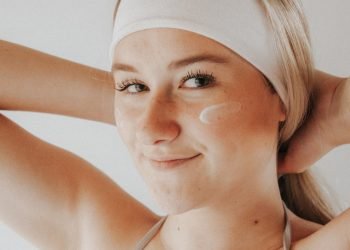


Organic Beauty Products for Sensitive Skin
Why should we trust a multi-billion-dollar beauty industry to decide what’s best for our skin?
This provocative question crossed my mind years ago during an intense battle with my own sensitive skin. Conventional products, with their long lists of indecipherable ingredients, often left my skin irritated and inflamed. Turning to organic beauty products was not just a lifestyle choice; it was a necessity—a path toward a healthier, more sustainable relationship with my skin.

My story is not unique. Every year, millions of people combat sensitive skin issues, chasing after solutions that often lead to disappointment. But how did we get here? Why are so many of us suffering from skin hypersensitivity in the first place? The answers lie not just in our genetics but in a culture that prioritizes convenience and profit over health and sustainability.
Challenging the Status Quo: What Does “Natural” Really Mean?
The beauty industry loves buzzwords: “natural,” “organic,” “eco-friendly.” But what do they mean? The distressing reality is that these terms are often loosely regulated. Any product can claim to be natural while still containing synthetic preservatives, fragrances, and other additives that irritate sensitive skin.
Take a moment to read the label on your current products. Think of it as a psychological exercise in consumer trust. Do you recognize most of the ingredients? If you wouldn’t eat it, why put it on your skin? This isn’t just rhetorical. Research in toxicology has shown that certain chemicals in skincare products can disrupt hormones, impair immunity, and even impact mental health over time. The skin is porous, after all—a gateway to your internal systems.
Practical Solutions: Curating a Skin-Loving Routine
-
Declutter Your Routine:
Less is more when dealing with sensitive skin. Start by eliminating products with synthetic dyes, parabens, and artificial fragrances. Simplicity isn’t boring—it’s revolutionary. -
Read the Ingredients:
Look for products with clear, minimal ingredient lists. Focus on organic options that prioritize tried-and-true elements like aloe vera, chamomile, and jojoba oil. -
Patch Test:
Always test a small amount of any new product on a less visible area of skin before committing. -
Embrace DIY Solutions:
Home remedies using ingredients like oatmeal, honey, and coconut oil often outperform commercial products, especially for those with hypersensitive skin.
Beyond Skin Deep: A Paradigm Shift
Opting for organic products is not just a personal choice; it’s a cultural statement. Philosophically speaking, the way we treat our skin reflects our values. Are we passively consuming whatever corporations market to us, or are we advocating for transparency, ethics, and sustainability?
Economist E.F. Schumacher famously said, “Small is beautiful.” This idea applies profoundly to beauty care. Supporting smaller, ethical brands fosters innovation and accountability. It’s also better for the planet. The conventional beauty industry contributes significantly to pollution, from plastic packaging to chemically laden runoffs. Organic brands often emphasize sustainability, using biodegradable materials and renewable resources.
The Psychology of Self-Care: Why It Matters
Using organic products is more than just skincare—it’s self-care. Psychology suggests that routines, even as simple as applying face cream, carry profound emotional weight. They act as rituals, offering a moment of mindfulness and connection with oneself. When you know a product is safe and ethically made, that mindfulness deepens into pride and confidence.
Moreover, choosing organic is an act of self-education. You’re learning to prioritize your health and becoming an active participant in your own care, not just a consumer. This parallel to lifelong learning reminds us of philosopher John Dewey’s belief that “education is not preparation for life; education is life itself.” Picking better skincare products is an extension of this philosophy—it’s about growth and empowerment.
Looking Ahead: The Future of Beauty
The future of beauty lies at the intersection of technology, sustainability, and ethics. Advances like AI in dermatology are already helping people identify the best products for their unique skin types. Imagine uploading a selfie to an app and receiving personalized, organic product recommendations. This isn’t far-fetched; it’s the direction we’re heading.
Meanwhile, the shift toward zero-waste packaging is gaining momentum. As consumer consciousness grows, so will demand for refillable, compostable containers that align with our environmental values.
There’s also a growing movement toward “skinimalism”—a rejection of multi-step routines in favor of fewer but more effective products. This trend speaks to a larger societal desire for simplicity and authenticity in a world often filled with excess.