
My Story: A Turning Point
For years, I was a slave to the concept of ‘quick fixes.’ Packed lunches straight from the freezer, drowned out by afternoons fueled by sugary lattes. Predictably, it led to sluggish mornings, sporadic energy spikes, and a brain fog so thick it swallowed my productivity. It wasn’t until a sudden health scare—a high cholesterol reading at just 32 years old—that I took a hard look at what I was consuming. This wake-up call forced me to challenge every assumption I had about eating and living well.
That experience, though humbling, was transformative. It led me down a rabbit hole of research, experimentation, and finally, a realization: the pursuit of health is not a sprint but a marathon. Diving into food psychology, the concept of mindful eating, and even environmental philosophy reshaped my dietary habits for the better.
Overhauling Traditional Wisdom: The Art of Intuitive Eating
Conventional diet plans often sell rigidity as their main feature—pre-planned menus, calorie counting, and unsustainable asceticism—but such approaches are fundamentally flawed. Why? Because they ignore one of the most powerful tools we possess: our intuition. The intuitive eating methodology, developed through extensive research by dietitians Evelyn Tribole and Elyse Resch, emphasizes connecting with your body’s natural hunger cues rather than relying on external rules.
Think about it: technology companies like Apple have revolutionized user experience based on understanding human behavior. Shouldn’t our eating habits work the same way? Stop fighting your body; start working with it. Listen when it tells you it’s hungry or full. Pay attention to cravings—they’re not weaknesses but signals that your body needs something specific.
The Role of Technology in Eating Smarter
In 2025, technology is redefining the way we approach nutrition. Applications leveraging artificial intelligence, like personalized meal planning apps, make it easier than ever to craft balanced diets tailored to individual needs. Imagine logging into an app and having your macros, vitamin requirements, and even grocery suggestions lined up for you! Companies like Noom and PlateJoy are harnessing psychology and machine learning to align healthier habits with user behavior.
Beyond convenience, wearable devices like WHOOP and Oura rings provide real-time feedback on how your dietary choices impact sleep cycles, stress levels, and energy. These insights empower us to better connect the dots between food, mental health, and productivity, making healthier living more than just a vague aspiration.
Top Healthy Food and Drink Trends for 2025
As society becomes more conscientious about health and sustainability, certain food and drink movements are gaining traction:
- Adaptogenic Drinks:
Beverages infused with herbs and compounds like ashwagandha and lion’s mane mushrooms to improve focus, reduce stress, and boost immunity. - Plant-Forward Eating:
While veganism isn’t for everyone, focusing on plants as the centerpiece of meals has significant health and environmental benefits. - Fermented Foods:
From kimchi to kombucha, the probiotics in fermented foods improve gut health, which science increasingly links to brain health. - Precision Nutrition:
Based on genetic testing, this trend tailors diets to your DNA, offering insights into what your body metabolizes best. - Zero-Alcohol Beverages:
Reinventing social drinking, alcohol-free cocktails are becoming just as sophisticated and celebratory as their boozy counterparts.

Practical Steps Toward Culinary Resilience
All of this can seem overwhelming, but incorporating lasting change doesn’t require a complete lifestyle overhaul. Here are some actionable strategies to get started:
- Meal Prep with Purpose:
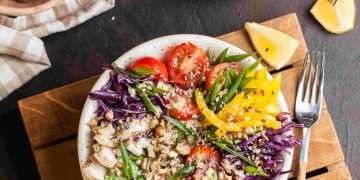
Dedicate Sunday afternoons to preparing a few versatile dishes for the week. Soups, grain bowls, and roasted vegetables can act as the foundation for multiple meals. - Hydration Habits:
Replace sugary drinks with naturally flavored water or herbal teas. Use a water tracking app to ensure you’re staying hydrated throughout the day. - Experiment with Recipes:
Commit to trying one new healthy recipe each week. Cooking at home gives you control over ingredients and portions. - Mindful Eating:
Practice eating slowly and without distractions. It not only improves digestion but also enhances appreciation for food. - Build a Community:
Join cooking classes or online forums to share ideas, recipes, and encouragement with like-minded individuals.
These small changes accumulate, building a lifestyle that doesn’t just support your goals but sustains them long term.
The Bigger Picture: Food as Social Transformation
As individuals, we often think of healthy eating in personal contexts—longevity, energy, or weight management—but there’s a larger societal impact. Social entrepreneur Paul Hawken once said, ‘Food is not about nutrition: it is about invention and connection.’ Our choices ripple outward. Supporting local farmers, opting for sustainable packaging, and reducing meat consumption contribute to global improvements in equity and environmental health.
The connection between humanity and its nourishment is sacred. Shifting toward better consumption habits isn’t just a personal journey; it is a collective movement toward a kinder, more conscious world.
A Future Built on Food Literacy
As we venture further into 2025, one thing becomes clear: the future doesn’t just belong to those who work hard—it belongs to those who learn hard, consistently self-educating and adapting. Healthy eating doesn’t end in the kitchen; it extends to understanding nutritional science, staying updated on food technology, and rethinking our relationship with resources.
Food is a metaphor for life. Challenging your habits mirrors the broader challenge of stepping into an evolved, aware version of yourself. After all, what we consume shapes not only our bodies but also the societies and futures we dream of creating. So why wait? Start your journey today. Your future self—and the world—will thank you.