
Easy Homemade Recipes for Food and Drinks
There is something deeply empowering about creating your own meals and beverages from scratch. In an era dominated by takeout apps and prepackaged meals, the act of cooking at home feels almost rebellious—an assertion of creativity and independence. When I first started experimenting with homemade recipes, I wasn’t just preparing food; I was reclaiming control over a small but essential aspect of life. This simple act of self-reliance made me reflect on broader societal trends: instant gratification, convenience-driven lifestyles, and the loss of traditional skills. What if the skills we cultivate in the kitchen could serve as a metaphor for a wider shift toward mindfulness, sustainability, and self-reliance in our lives?

The Art of Cooking as a Reflection of Personal Growth
It was a rainy Thursday when I first attempted to bake my own bread. The process was messy, requiring patience I didn’t know I had. Yet, as I kneaded the dough, something changed—a sense of calm washed over me. I felt connected to an age-old ritual, one that had crossed generations and cultures. What struck me most was how much this simple act mirrored the need for perseverance in life. Bread doesn’t happen in an instant; it needs time to rise, to be worked on, and to develop. This realization propelled me to dive deeper into homemade recipes, not just for sustenance but for their transformative power.
Questioning the Fast-Food Mindset
Society often tells us that time spent cooking is time wasted. In a world obsessed with optimizing every minute, making your own salad dressing or a cup of ginger tea might seem extravagant. But what if we reframed cooking? Instead of seeing it as a task, could it become a form of meditation? Studies in psychology and neuroscience have shown that engaging in hands-on, creative activities, such as cooking, can reduce stress and improve mental focus. By challenging the convenience-oriented mindset, we regain time for active contemplation and care.
The Connection Between Food and Technology
Interestingly, technology doesn’t have to be at odds with homemade cooking. Smart kitchen gadgets, meal-planning apps, and even online tutorials democratize the culinary arts, making it easier than ever to experiment. However, the true challenge lies in using technology to enhance creativity rather than replace effort. For instance, instead of ordering a meal delivery, why not use an AI-powered ingredient app to create innovative combinations based on what’s already in your pantry? This approach fosters resourcefulness and minimizes food waste, weaving sustainability into your daily routine.
Breaking the Myth of Complexity
Many people shy away from homemade recipes because of the perceived complexity. Yet, some of the most delicious and nutritious dishes require only a handful of ingredients and basic techniques. Consider this simple three-step guide to creating your own lemonade:
- Juice 3-4 fresh lemons into a pitcher.
- Add 3 cups of water and sweeten with honey or sugar to taste.
- Stir until completely mixed and serve over ice.
In less time than it takes to drive to the nearest store, you’ve crafted something healthier, tastier, and tailored to your liking. Simplification, far from being restrictive, can be liberating.
Learning Through the Lens of Food
The kitchen is an incredible classroom. Think about the principles you learn there that apply to other areas of life: patience, adaptability, attention to detail, and even collaboration if you’re cooking with others. Experiments might fail, and meals might burn, but every mistake is a lesson, teaching resilience. As Albert Einstein once quipped, “Failure is success in progress.”
This continuous cycle of experimentation and learning aligns with broader calls for lifelong education in today’s rapidly changing world. Just as the workplace demands adaptability and a growth mindset, the skills built in our kitchens encourage us to innovate and problem solve.
How Homemade Food Fosters Community
There’s a communal magic to sharing something you’ve created. A homemade loaf of bread or a batch of cookies can break barriers and open dialogues. Food nourishes not just the body but the ideas and relationships that sustain us. Sociologists argue that communal meals foster solidarity, a ritual of togetherness that’s increasingly rare in our disjointed lives. Hosting a dinner, no matter how simple the menu, is an antidote to the isolation of modern living—a way to build bridges in an age of digital silos.
Actionable Steps for the Aspiring Home Chef
If this resonates with you, here’s how you can get started:
-
Start small:
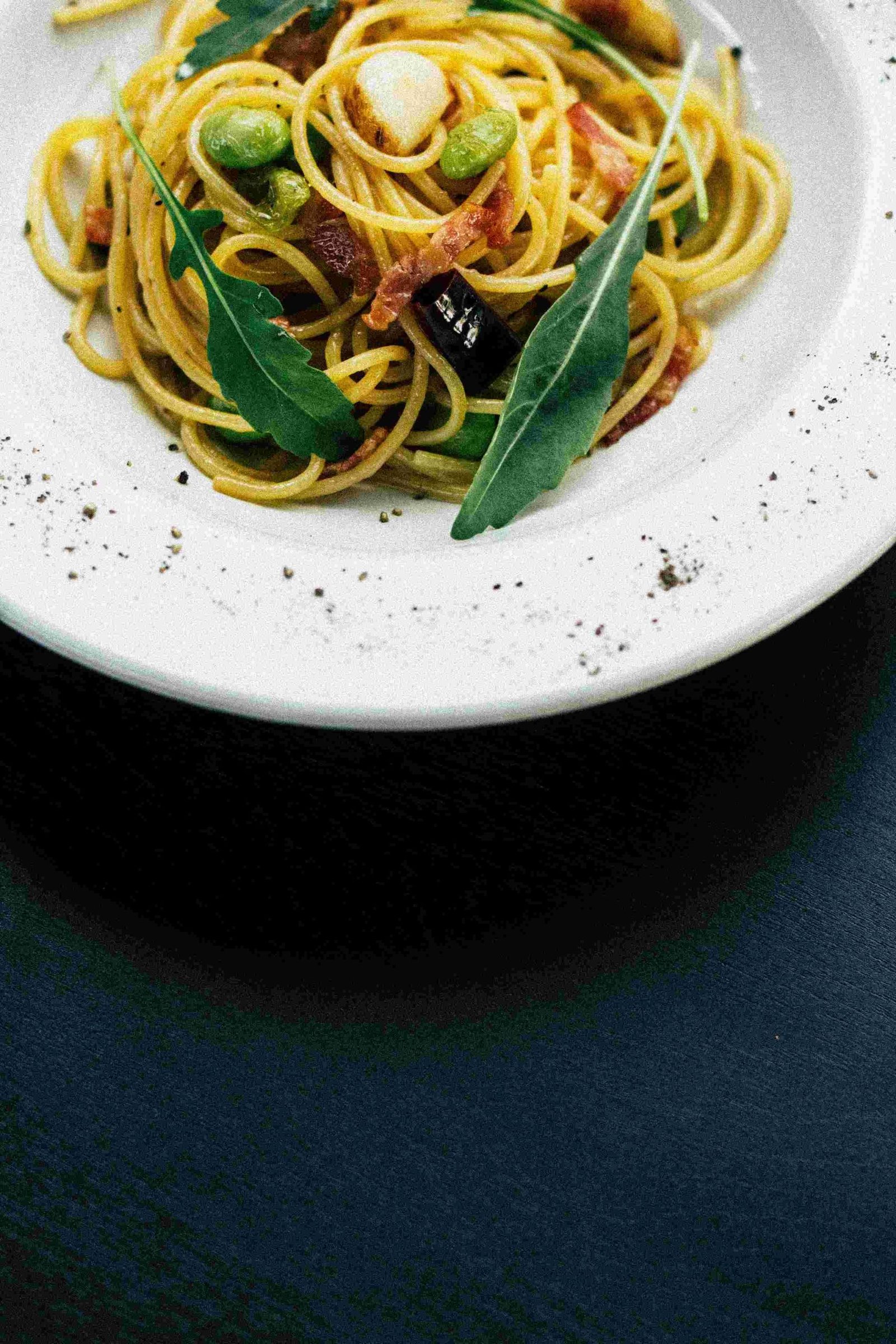
Choose one recipe you’ve always wanted to try, whether it’s homemade pasta or a fresh fruit smoothie. -
Tailor recipes to your preferences:
Don’t be afraid to adapt recipes based on what’s available or what you love. -
Invest in basic tools:
A sturdy knife and a quality skillet can simplify many homemade endeavors. -
Learn incrementally:
Mastering one technique at a time keeps the process manageable and enjoyable. -
Share your creations:
Whether it’s a family potluck or simply offering cookies to your neighbor, let food be your medium of connection.
Above all, embrace imperfection. Homemade doesn’t mean flawless; it means genuine and heartfelt.
The Future of Homemade Living
As we look ahead, it’s clear that homemade cooking is more than a nostalgic return to simpler times. It represents a movement toward sustainability, self-sufficiency, and intentional living. In a world increasingly influenced by automation and artificial intelligence, the human touch—seen in a lovingly prepared meal—will only grow in value. Imagine a future where cooking is a celebrated act of resistance against the disposable culture, a way to create, connect, and stay rooted in our shared humanity.
So, the next time you step into your kitchen, think beyond the recipe. You’re participating in something greater: a cultural shift toward balance, creativity, and mindfulness. And that first bite of a meal made by your own hands? That’s the sweet reward of rediscovering what it truly means to nourish yourself and others.