

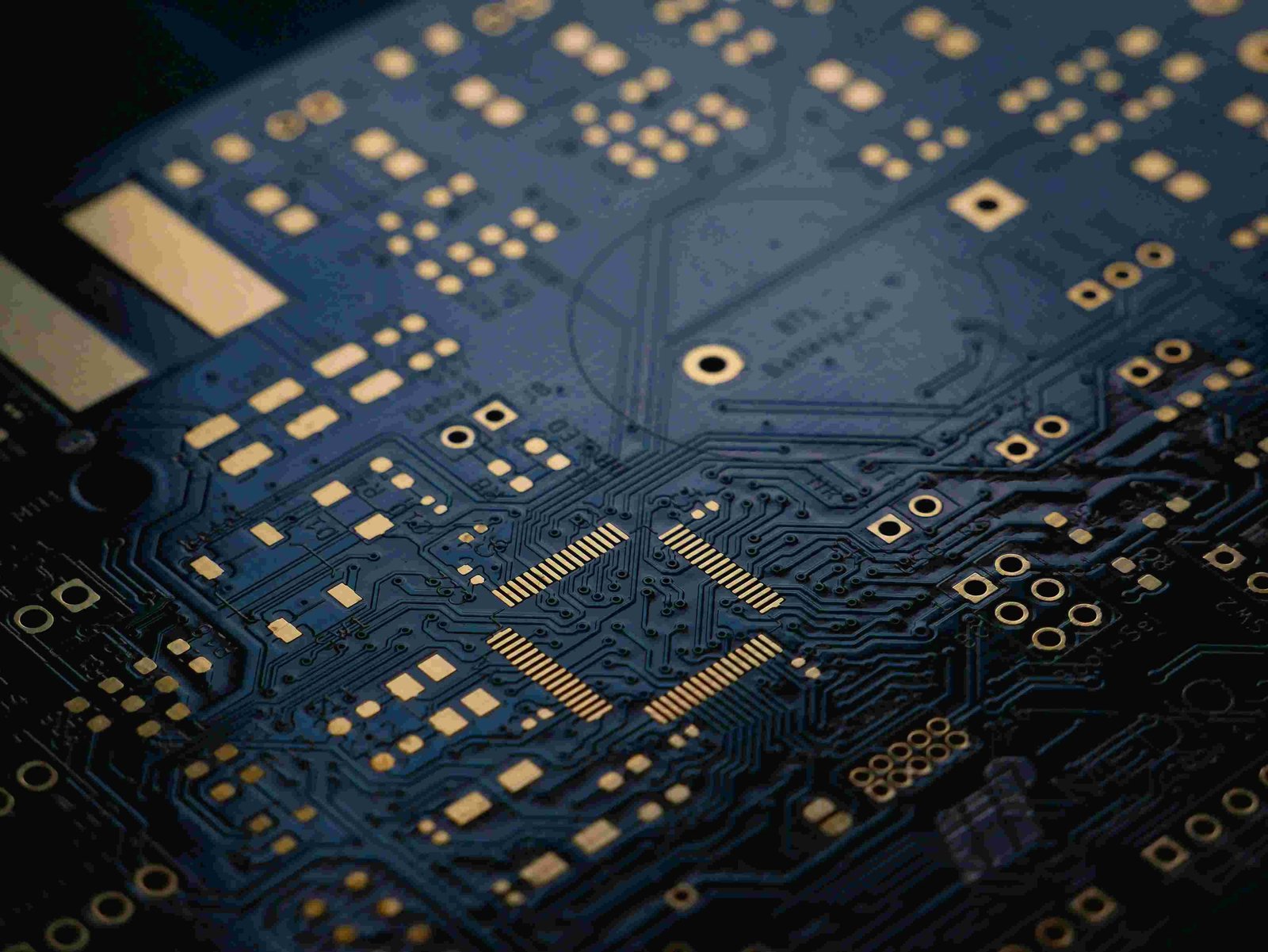

But here’s the catch: while technology has the potential to level the playing field, the prohibitive cost of entry often keeps it out of reach for many students. When did owning a quality laptop, headphones, or a decent smartphone become more about privilege than necessity?
I remember starting college with a second-hand, outdated laptop that struggled to keep up with even the most basic browser tabs. Projects took twice as long, and collaborative tools like Zoom became an exercise in patience. But this isn’t just my story. It’s the silent struggle of millions. It’s a question of access, opportunity, and ultimately success. Let’s explore why affordable electronics can change the rules of the game for students—and how.
The Unseen Toll: Why Expensive Technology is a Barrier
Think about it: the average university student in the United States spends hundreds—if not thousands—of dollars per year on electronic devices. A Pew Research report showed that nearly 20% of students are forced to compromise their educational goals due to a lack of adequate devices. This isn’t just about financial stress; it’s a subtle inequality that drives a wedge between those who can afford to thrive and those who can only work hard to survive.
Let’s challenge the perception here. Are the endless specs and brand-name prestige really worth the premium price tags? Or is it about smart, practical investments that align with the real needs of students? The truth is, the tech industry thrives on pushing fads and upgrades. But at what expense? Should a student need a $1,000 laptop to write essays, conduct research, and join an online class?
Broadening Perspectives: What Psychology and Philosophy Teach Us About Necessity
Psychologically, this sets up a dangerous dichotomy: the haves and the have-nots. Abraham Maslow’s hierarchy of needs emphasizes that tools essential to personal growth—like education—should be accessible to all. Yet the notion of affordability excludes countless students from achieving their fullest potential. Philosopher John Rawls once speculated that true justice arises from equal opportunities, specifically where education is concerned. How, then, do we address the clear inequity created by overpriced, inaccessible technology?
The key lies in redefining our understanding of what’s truly “enough.” Do we need the fastest devices, or do we need ones that simply perform well within the limits of education’s fundamental demands? A solid, budget-minded device doesn’t inhibit creativity; it inspires resourcefulness.
A Prerequisite for the Future Workforce: Predictions and Technological Trends
As industries pivot towards AI, big data, and remote collaboration, the digital literacy gap will only widen if we fail to equip students with affordable, reliable tech. Picture the future: a student with basic tools today could be tomorrow’s software engineer, data analyst, or tech entrepreneur. But the inverse is also true: exclude them now, and their opportunities diminish exponentially.
Companies like Google and Microsoft are already betting on a future dominated by low-cost, software-efficient devices like Chromebooks. Initiatives focused on refurbished devices or modular, repairable technology suggest a pivot towards long-term sustainability paired with affordability. The world is changing fast. Students must have tools that evolve with it, without being replaced every year.
Strategies for Students: How to Access Affordable Electronics
So, what’s a student to do in this tightly competitive market of $1,000 gadgets? Here are some actionable strategies:
- Tap into refurbished or certified pre-owned options:
Many major brands, such as Apple and Dell, offer certified refurbished devices—these are often just as good as new, at a fraction of the cost. - Leverage educational discounts:
Most major electronics brands offer discounts specifically for students. Take full advantage of these programs when purchasing laptops, tablets, or other devices. - Consider crowdfunding:
If a particular device is essential for your education, crowdfunding platforms like GoFundMe can help gather support. - Research community-based programs or grants:
Various non-profits and community organizations provide free or low-cost devices for students in need. - Optimize your purchase:
Focus on devices with upgradable specs (e.g., adding more RAM or storage later). Think of it as a long-term investment rather than a flashy sticker price.
Imagining Better Solutions: The Role of Governments and Businesses
The onus isn’t just on students to find affordability; it’s on society at large to create it. Imagine a world where governments partner with tech companies to offer zero-interest payment plans for students. What if software companies prioritized open-source tools that minimize dependency on expensive hardware? These aren’t far-fetched ideas—they’re necessities if we’re serious about democratizing education in the digital age.
Even businesses should rethink their approach. Why shouldn’t electronics manufacturers produce “student-focus” lines with affordable, durable models? This isn’t about cutting corners; it’s about building futures and securing loyal, lifelong consumers.
Empowering Yourself: Technology as a Journey, Not a Destination
The story doesn’t end with purchasing the right gadget. It’s about unlocking your potential as a student by maximizing what you already have. Learn free software skills, embrace online tutorials, and turn that mid-range laptop into a powerhouse of learning. Remember: your tools do not define you—your effort, curiosity, and resilience do.
As I finished my own journey with an old, beaten-up laptop, I realized this truth. The screen may flicker, the battery might drain fast, but your determination will outshine any technical limitation. And as affordable electronics increasingly fill our backpacks, they become not just tools, but keys to unlock uncharted potential in every student worldwide.