
Healthy Food and Drinks Recipes

Rethinking Health in a Food-Obsessed World
Health is a concept as deeply personal as it is universal, and yet in today’s world, it has become entangled with unrealistic ideals and fleeting trends. The standard wisdom often reiterates “eat more vegetables, drink water, and exercise,” but is this really all there is to achieving a balanced, fulfilled life? To challenge this notion, let’s explore health not as a static destination but as a dynamic blend of culture, personal growth, and intentional decisions.
I recall a time when I believed eating healthy meant enduring bland salads and saying no to every indulgence. Yet, a visit to a Mediterranean farmer’s market changed my perspective – the aroma of fresh herbs, the vibrant colors of perfectly-ripe produce. It wasn’t just food; it was an art of living. This led me to rethink how impactful simple, mindful recipes and drinks can be in reshaping our health habits.
Nourishment Meets Neurobiology: The Science Behind Your Plate
Your brain is one of the greediest organs in your body. It demands the right nutrients to sustain optimal performance. Foods rich in omega-3 fatty acids, antioxidants, and fermented probiotics don’t just heal your gut—they influence neuroplasticity, mood regulation, and decision-making processes. Renowned psychologist Dr. Carol Dweck suggests, “A growth mindset is not just about learning. It’s about sustaining your mental capability to adapt and thrive.”
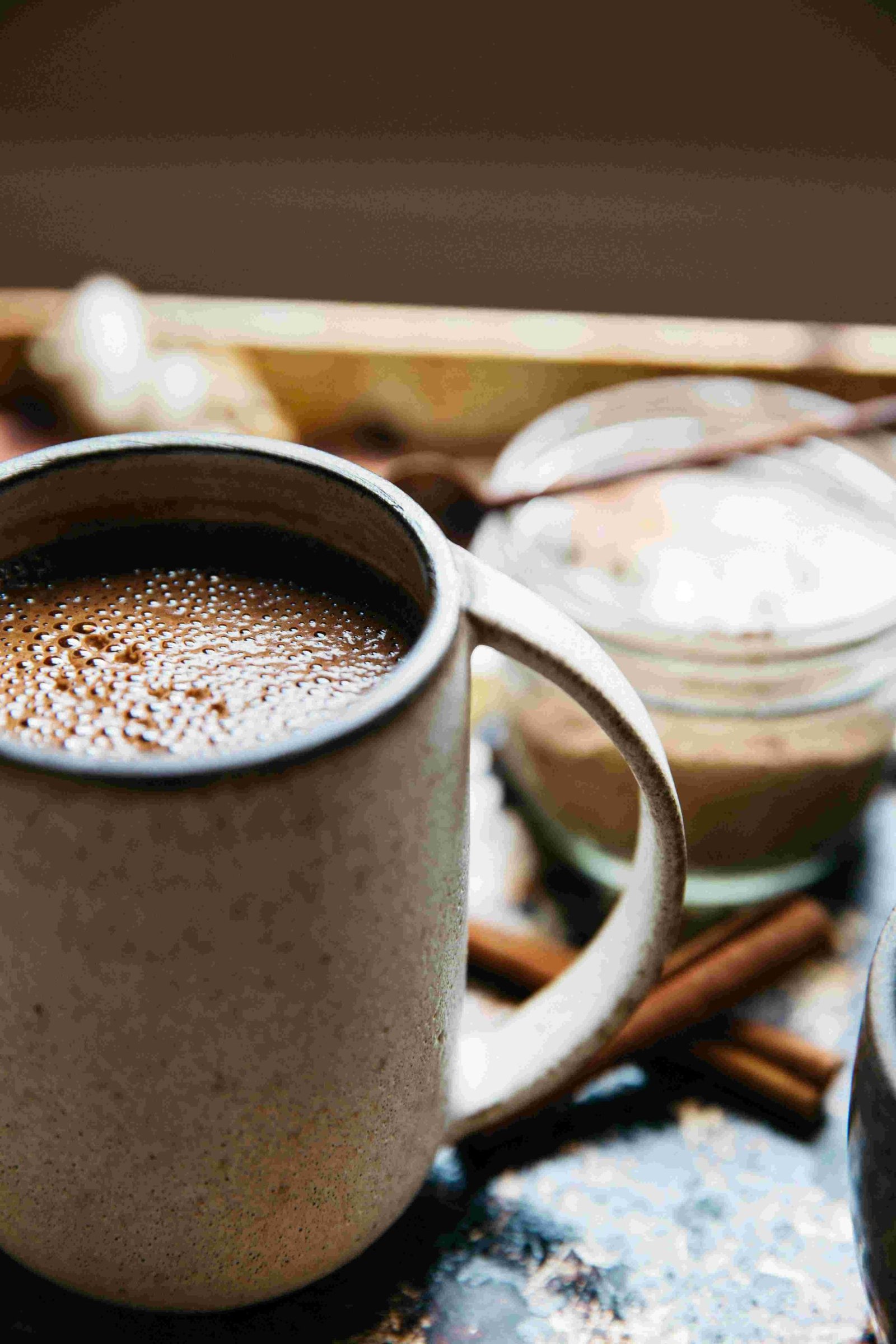
To fuel this idea, consider how popular recipes often rely on quick fixes: refined sugar-filled sauces, pre-packaged ingredients, or energy drinks filled with caffeine. By contrast, swapping in nutrient-dense interactions—like turmeric smoothies, nut-studded quinoa salads, or a simple matcha latte brewed to perfection—becomes a rewarding act of long-term self-investment.
Future-Proof Eating: How Culinary Trends Are Evolving
Looking ahead, food isn’t just about sustenance; it’s about sustainability and technology. Take cultured meat industries or AI-generated meal plans, which aim to harmonize ethical consumption with accelerating urbanization. Meanwhile, precision farming techniques and eco-friendly meal packaging are revolutionizing how we think about ‘guilt-free indulgence.’
Imagine this: By 2040, your refrigerator might suggest a daily menu based on precise calorie needs, taking into account biometric data from your smartwatch. Yet, amid such innovation, traditional recipes enriched by centuries of culture—an olive-oil drizzle on perfectly-roasted vegetables, an old family recipe for miso soup—remain irreplaceable bridges to our communal roots.
Recipes That Matter: A Practical Take
-
Avocado & Lemon Zest Salad:
Whisk together olive oil, lemon juice, and a touch of honey for dressing. Toss it with sliced avocados, arugula, and roasted pumpkin seeds for added crunch. -
Spinach & Turmeric Smoothie:
Blend fresh spinach, frozen mango, turmeric powder, and unsweetened almond milk. A pinch of black pepper enhances turmeric’s absorption. -
Savory Greek Quinoa Bowl:
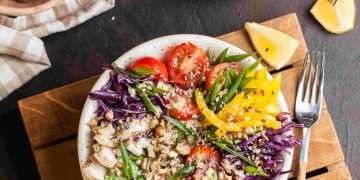
Boil quinoa and season with garlic, dill, and cracked pepper. Top with cucumbers, cherry tomatoes, black olives, and a dollop of reduced-fat feta cheese.
Experimentation, curiosity, and fun in the kitchen redefine your health practice. These recipes are not solutions slotted into a rigid diet—they’re an invitation to play with your plate.
Cultivating the Habit: Steps for Ongoing Mastery
1.
Learn and Adapt:
Study the basics of nutrition but stay open to global influences. Every cuisine has hidden gems waiting to transform your meals.
2.
Simplify Complexity:
Master “one-pan” dinners or “five-ingredient” principles to focus on ease and optimization.
3.
Make Your Kitchen an Ecosystem:
Invest in easy-grow herbs, organize tools methodically, and rely on batch cooking.
4.
Replace, Don’t Restrict:
Instead of avoiding carbs entirely, substitute pasta with spiralized zucchini or baked sweet potatoes.
The Bigger Picture: Beyond the Dining Table
Nutrition taps into broader disciplines—human psychology, behavioral economics, even moral philosophy. It’s about how you treat your future self and how you influence those around you. Food, after all, isn’t just fuel; it’s a message. It speaks to intentionality, care, and connectivity. More importantly, healthy eating isn’t just an individual journey—it’s societal. By investing in sustainable practices and emphasizing education, communities can collectively ensure better food security and well-being for future generations.
As Greek philosopher Hippocrates once wisely said, “Let food be thy medicine.” In an era marked by shrinking timeframes and expanding waistlines, this timeless advice becomes more relevant than ever.