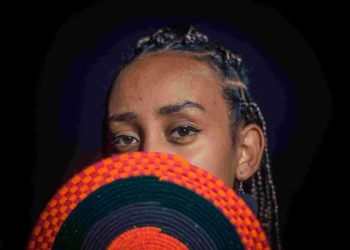



Breaking Free from the Ordinary
Fashion has always been more than just clothing—it’s a statement, a reflection of culture, and a medium through which individuals communicate their identities. Enter 2025, where fashion is no longer shackled by past conventions. It’s time to challenge the traditional wisdom of “trends” as static, season-bound ideas. Today, the lines between fashion and other disciplines—technology, psychology, and even sustainability—are blurred, leading to an era of limitless creativity.
As someone who once saw fashion as an afterthought, my journey into its transformative possibilities began with a single question: why do we wear what we wear? The answer, I discovered, is as layered as the garments themselves. Clothing is an extension of our values, and in 2025, innovation has taken center stage, fueled by a world demanding change.
Technology Transforms Style
Fashion in 2025 is a symphony of innovation and functionality. Technological advancements such as 3D printing and AI-driven custom tailoring are revolutionizing how designs come to life. Imagine walking into a showroom where fabrics, colors, and styles automatically adjust to your preferences in real time based on artificial intelligence. This is no longer a distant future; it’s happening now.
Moreover, wearable technology has evolved far beyond fitness trackers. Think smart fabrics embedded with sensors to manage temperature or even detect health issues. Designers are no longer relying solely on aesthetics but are embracing utility. This convergence of fashion and technology underscores the philosophy of form meeting function in the most poetic manner.
Sustainability: A Non-Negotiable Imperative
2025 has witnessed a shift from fast fashion to conscious consumption. Shoppers are increasingly prioritizing ethics and sustainability, seeking brands that embody transparency and responsibility. As philosopher Immanuel Kant proposed, duty is essential to morality, and today’s consumers hold brands accountable for their social and environmental duties.
Brands like Stella McCartney and Eileen Fisher are leading this cultural revolution by using organic materials, embracing a circular business model, and even incentivizing customers to recycle old garments. Through these actions, fashion is finding a balance between innovation and integrity, proving that beautiful design doesn’t need to come at the cost of the planet.
Self-Expression Over Uniformity
Traditional fashion trends often dictate mass conformity, where entire seasons are defined by a particular palette or silhouette. However, 2025 is seeing the rise of deeply individualized styles. People are curating wardrobes that reflect their personal beliefs, cultures, and aspirations.
Consider the increasing fusion of global influences. From Japanese-inspired kimonos mixed with modern Western tailoring to African prints integrated seamlessly into everyday wear, the world is literally at your wardrobe’s fingertips. This democratization of style empowers individuals to reject societal prescriptions for self-expression.
Psychology Meets Fashion
Psychology has entered the conversation when it comes to fashion. The idea that clothing impacts mental well-being is no longer speculative. Studies have shown that what we wear can significantly influence our mood, confidence, and even performance at work. This is why colors and textures dominate discussions in 2025—people are dressing not just to impress, but to feel empowered.
Take the color green, for instance. Green represents renewal and growth, making it a popular choice for those looking to exude a sense of calm and balance. Similarly, comfortable textiles like organic cotton and bamboo are no longer seen as luxuries but as necessities for mental peace in an otherwise chaotic world.
Practical Advice for Navigating 2025’s Fashion Landscape
So, how can you embrace these cutting-edge trends without falling into the trap of overconsumption? Here are some actionable steps:
- Define Your Identity:
Instead of mimicking trends, identify what aligns with your values and lifestyle. Refine your wardrobe accordingly. - Invest in Timeless Pieces:
Quality over quantity is the mantra for sustainable fashion. Look for versatile clothing that lasts. - Experiment with New Technologies:
Explore brands that offer AI-assisted sizing or innovative materials to enhance your comfort and style. - Support Ethical Brands:
Review a brand’s sustainability policies before purchasing. Where your money goes, your values follow. - Stay Curious:
Keep learning about trends from multidisciplinary perspectives—be it technology, sustainability, or psychology. Fashion is a learning journey, not a destination.
A Glimpse into Tomorrow
The future of fashion is brimming with possibilities. As artificial intelligence becomes more integrated into daily life, expect clothing to become more predictive. Imagine garments that adjust their fit based on biometric data or jackets that can change color according to the user’s mood.
Additionally, sustainability will no longer be optional. Governments might introduce stricter regulations, and consumers will demand even greater transparency. It’s a future where fast fashion fades into history, replaced by a more thoughtful and innovative approach.
The Ongoing Journey
Fashion in 2025 is not just about aesthetics; it’s a bold step toward redefining culture, technology, and ethics. This year serves as a clear reminder that what we wear is not a superficial choice but a profound statement of who we are and who we aim to become.
So, as you step into your wardrobe tomorrow morning, ask yourself: are you dressing for the world as it is, or for the world you want to help create? Remember, fashion is your canvas, and innovation is the brush. The future won’t wait, so neither should your style.